Why Accurate Attribution Is the Biggest Challenge of 2026
Preparing marketing strategies for 2026 Algorithm Shifts
Search environments in 2026 have moved far beyond the basic keyword matching systems of previous years. Modern search engines now focus on intent modeling and entity relationships, forcing companies to reassess how data streams through their marketing stacks. The focus has shifted from surface-level visibility to deep semantic relevance. For any firm handling digital campaigns, the top priority is now guaranteeing that every piece of content and every technical update feeds a coherent data design that search bots can interpret instantly.The integration of automated tools into full-service firms is no longer an optional upgrade. It is the standard for survival. These tools deal with the enormous volume of data processing needed to track how various algorithm updates affect particular niches. By 2026, the speed of these updates has actually increased to the point where manual tracking is impossible. Agencies that succeed are those that have constructed a stack capable of self-correcting based upon real-time performance metrics and predictive modeling.
Information Combination and the Growth of digital channels
Centralizing data is the first step in future-proofing. In 2026, fragmented data results in missed out on chances in search generative experiences. Online search engine are looking for "brand name authority" which is typically measured by how regularly details exists throughout numerous platforms. Agencies in the local market discover that silos between social networks, search information, and CRM systems create friction that search algorithms can detect.When information is synchronized, search bots can much better comprehend the context of a service. This surpasses easy SEO. It includes structured data that spans every touchpoint of the client journey. For instance, if a rate modifications on a site however remains out-of-date in a regional directory or a social commerce feed, the online search engine might downgrade the brand's dependability score. Automated synchronization tools prevent these disparities, ensuring that the brand entity remains "tidy" in the eyes of the algorithm.
Automation as a Bridge to Human Insight
Automated tools should not replace the creative or tactical components of a company. Rather, they function as a filter, eliminating the noise so that professionals can focus on high-level choices. With deep expertise in digital services, technical groups can anticipate how algorithms will analyze website structure before a single page goes live. This predictive capability is a hallmark of the 2026 marketing stack.Large-scale auditing tools now utilize machine learning to replicate how search spiders will crawl a website. These simulations can identify potential crawl budget issues or internal connecting spaces that may hinder exposure. For firms managing online presence management, these insights permit proactive changes. Rather than responding to a drop in rankings after an algorithm upgrade, the company can change the site architecture weeks ahead of time based on the trends the automated tools have flagged.
Entity-Based Search and local market Presence
By 2026, search has ended up being totally "entity-based." This suggests online search engine are no longer trying to find a string of text like "best pipes service." They are searching for the "entity" of a plumbing service that has actually the most verified connections, evaluations, and topical authority within the region. This modification requires a marketing stack that can handle and keep an eye on these entity relationships at scale.Knowledge chart management has become a core service for firms. This includes managing the discusses of a brand throughout the web, ensuring that the relationships in between the brand name, its crucial personnel, its services, and its areas are plainly defined. Automated tools assist map these connections, identifying where the brand name's understanding chart is weak or where competitors are gaining a benefit. This level of detail is important for preserving a dominant position in the local search results page of the surrounding area.
Technical Performance and the 2026 Infrastructure
The technical requirements for search in 2026 are more stringent than ever. Page speed is no longer almost user experience. It is an essential requirement for being included in generative search summaries. Engines are significantly using "light" variations of their spiders to save energy and processing power, meaning they will simply overlook websites that are too heavy or too slow to load.Many companies highlight the importance of digital services when building long-term organic growth strategies. A clean technical stack includes more than simply optimizing images. It implies using server-side rendering for complex applications and guaranteeing that the underlying code is available to AI-driven search bots. Automation plays a function here through constant integration and release (CI/CD) pipelines that instantly evaluate every website upgrade for performance regressions. If a new feature slows down the website or breaks the schema markup, the system flags it before it can adversely impact the search rankings.
Adapting Content Velocity to Modern Algorithms
The demand for content has actually not reduced, however the standard for what certifies as "quality" has risen. Search engines in 2026 can quickly detect material that is purely AI-generated without human oversight or unique information. Agencies are using automation to manage the research study stage, such as gathering search intent information and examining rival spaces, while leaving the final creation to human experts who can include original insight and brand name voice.Content speed describes the speed at which a company can produce and update content to stay relevant. In a fast-moving market like the local area, being first to cover a regional trend or a change in industry standards provides a significant advantage. Automated alerts can inform content teams the minute a pertinent subject begins trending, permitting for fast reaction. This "newsjacking" is only possible when the marketing stack is incorporated and the workflows are streamlined.
Zero-Click Searches and the Browse Generative Experience
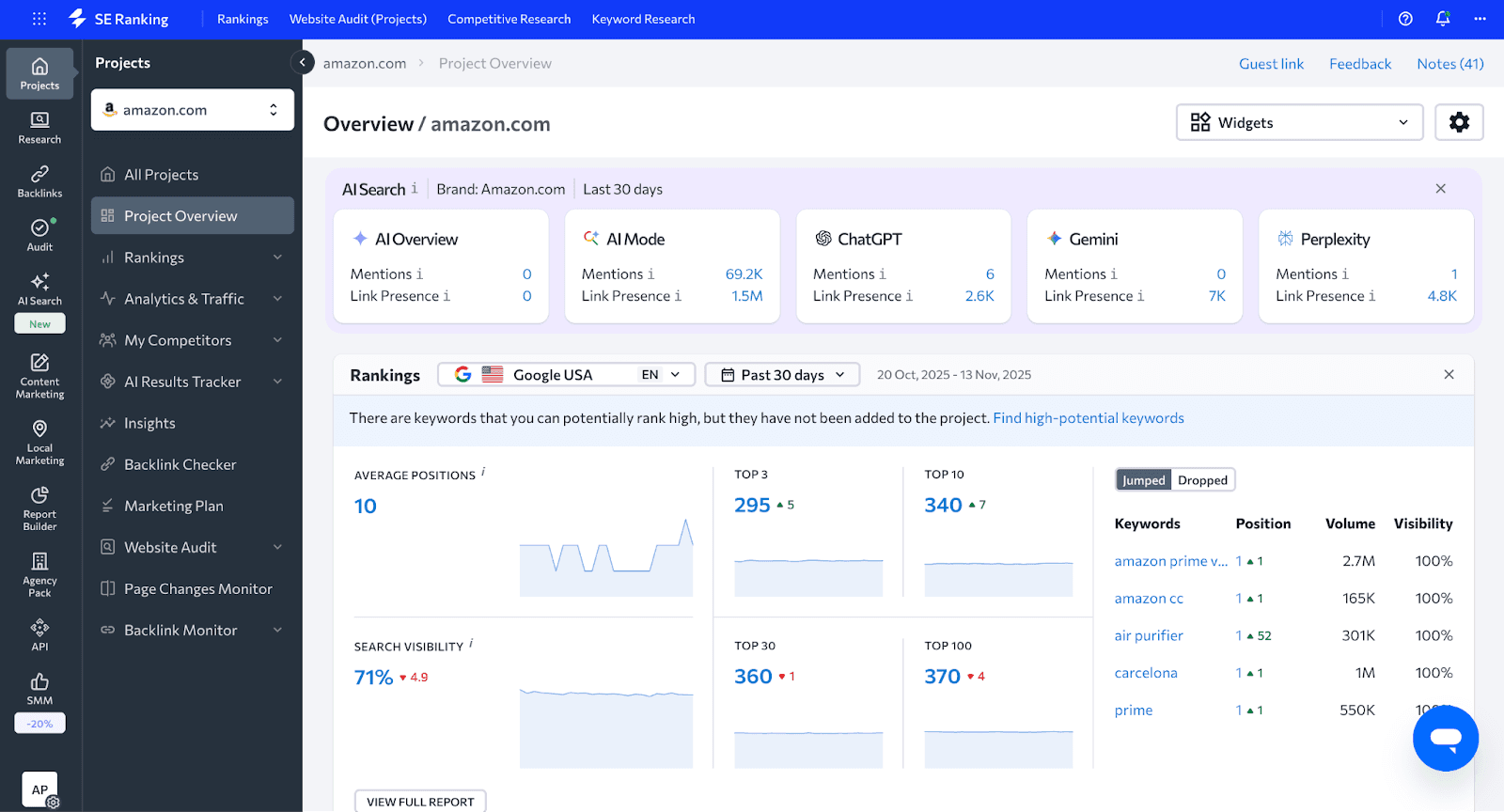
A significant portion of searches in 2026 end on the search results page page itself. Generative AI summaries supply the answer without the user ever clicking through to a site. While this may appear like a danger, it is in fact a chance for companies that understand how to feed these summaries. The objective is to end up being the "source of reality" for the online search engine's AI.This requires a stack that prioritizes premium, structured information and authoritative citations. Agencies need to monitor not simply their traffic, however their "impression share" within these generative summaries. Tools that track "share of voice" in AI responses have become as common as rank trackers remained in the past. By understanding which parts of their material are being priced estimate by the AI, companies can improve their strategy to record more of these zero-click opportunities, building brand recognition even when a click does not happen.
Tracking and Adaptive Technique in the region
The final piece of a future-proofed stack is the tracking system. In 2026, search algorithms are more localized and personalized than ever. A search for professional help in one community may yield different results than the same search two miles away. Agencies should utilize geo-grid tracking tools to understand these hyper-local variations.This data permits a more granular approach to marketing. If a company notices a drop in visibility in a specific part of the county, they can release localized material or targeted ads to fortify that location. This level of responsiveness is only possible through a marketing stack that integrates geographic data with search performance. It moves the firm from a broad-brush method to a precision-based design that can adjust to the particular requirements of the local market in real-time.
Long-Term Strength Through Technology

The marketing stack of 2026 is defined by its capability to procedure huge quantities of data and turn it into actionable insights. For companies in the local market, the combination of automated tools is the only method to keep pace with the fast advancement of search engines. By focusing on data synchronization, technical excellence, and entity-based authority, companies can build a structure that is resilient to whatever algorithm updates the future holds.Success in this environment requires a balance. While the tools deal with the heavy lifting of data analysis and technical tracking, the firm's human skill offers the tactical direction and imaginative stimulate that machines can not duplicate. This mix guarantees that digital marketing efforts stay reliable, noticeable, and appropriate in an increasingly intricate digital world. Structure this stack today is the only way to guarantee development and stability through 2026 and beyond.