The Role of Automation in Creating Personalized Client Experiences
The Shift Towards Personal Server Environments in Modern Business Hubs
The year 2026 has actually brought an unique modification in how full-service marketing agencies handle their digital operations. For years, the basic technique included relying on shared cloud hosting or a patchwork of third-party SaaS platforms. While these choices offered low entry expenses, they often resulted in unforeseeable month-to-month costs and efficiency traffic jams as firms scaled. Today, the trend is approaching dedicated server infrastructure created specifically to house automated marketing tools. This relocation is driven by a requirement for much better performance, tighter security, and, most importantly, a substantial reduction in operational overhead.
Agencies running in the local market have discovered that shared environments frequently deal with the heavy processing requirements of 2026-era marketing technology. Real-time data processing, automated video making, and high-frequency social networks monitoring need consistent CPU power that shared circumstances can not constantly provide. When a server slows down, the time invested by workers waiting for dashboards to load or reports to create adds up to numerous lost billable hours every year. Committed hardware eliminates this "noisy neighbor" result, guaranteeing that internal tools run at peak speed no matter what other companies are doing on the very same network.
Financial Advantages of Owned Infrastructure for Digital Marketing
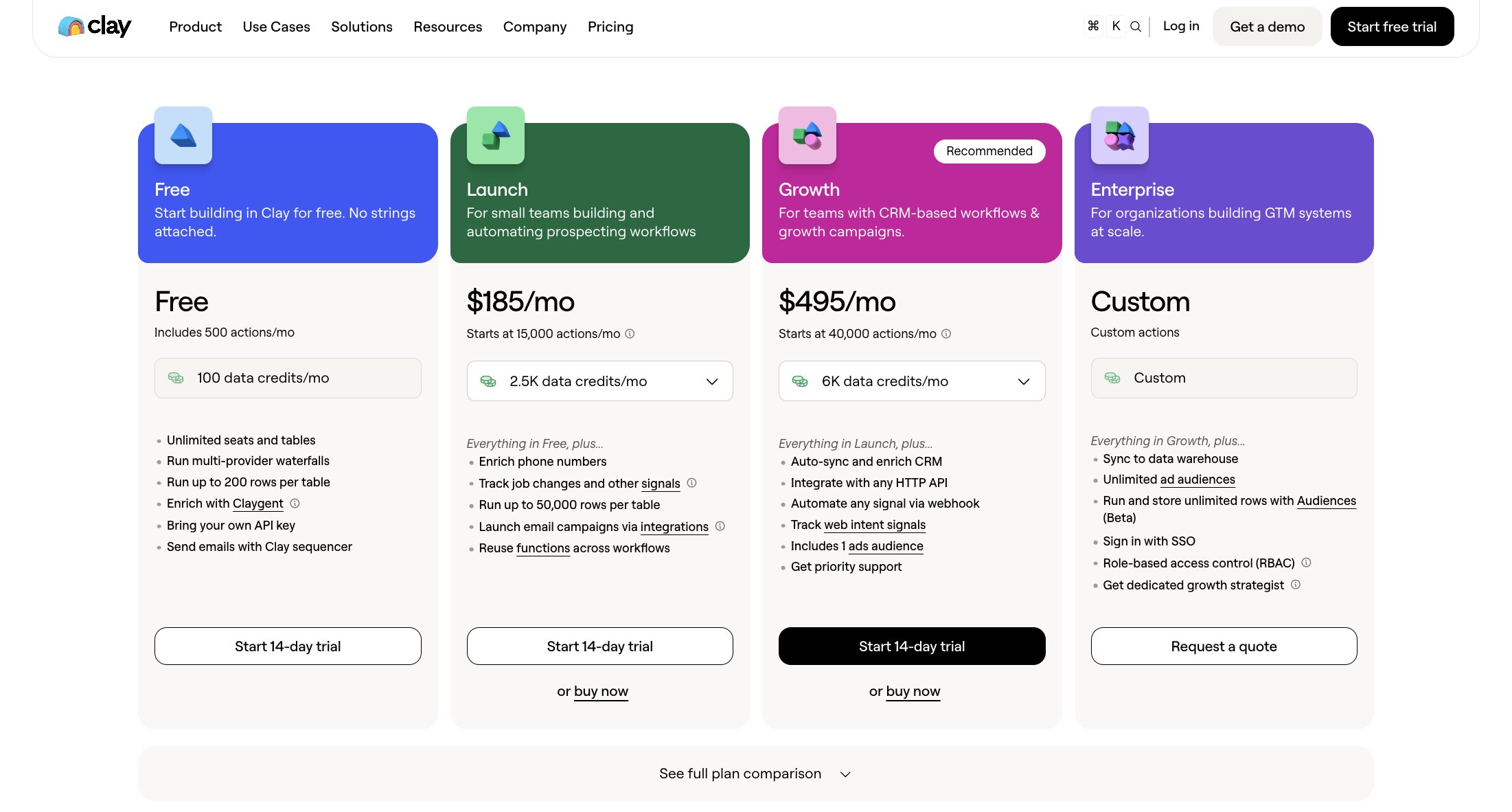
The math behind server ownership has changed. Formerly, the capital investment needed to set up a private server was a barrier for smaller sized firms. However, the increase of specialized bare-metal leasing and modular server blades has made it more available. By moving away from subscription-based tools that charge per user or per customer, a company can effectively flat-line its innovation expenses. Instead of paying $50 each month for twenty various tools for every single worker, the company hosts open-source or self-hosted versions of those same tools on their own hardware.
Strategic shifts toward digital services aid agencies preserve lean teams while increasing output. When a company owns the environment, they no longer deal with the scaling charges enforced by SaaS service providers. In a traditional model, including a new client frequently indicated increasing the expense of 5 or 6 different software subscriptions. With a dedicated infrastructure, the minimal cost of adding a new customer is almost absolutely no, as the server capacity has actually currently been paid for. This enables higher profit margins on specialized campaigns without requiring a corresponding boost in client charges.
Improving Speed and Reliability in High-Volume Campaigns
Latency is the opponent of modern-day digital execution. In 2026, the speed at which a landing page loads or a tracking pixel fires can identify the success of an entire job. Dedicated servers enable deep optimization at the os level, which is something shared hosting suppliers never allow. Agencies can configure their servers to prioritize specific traffic types or utilize custom-made caching systems that are tailored to their particular tech stack. This level of control ensures that even the most intricate automation scripts run without hold-up.
Reliability likewise plays a consider reducing overhead. When a third-party platform decreases, a company is left at the mercy of that service provider's support group. This downtime can lead to lost lead data or stopped briefly advertisements, requiring manual intervention to fix once the service returns. By hosting crucial functions on a dedicated server in the region, the firm's technical group has direct access to the logs and hardware. They can implement their own redundancy and backup procedures, guaranteeing that a single point of failure does not derail multiple customer accounts at the same time.
Automation as a Method for Decreasing Labor Expenses
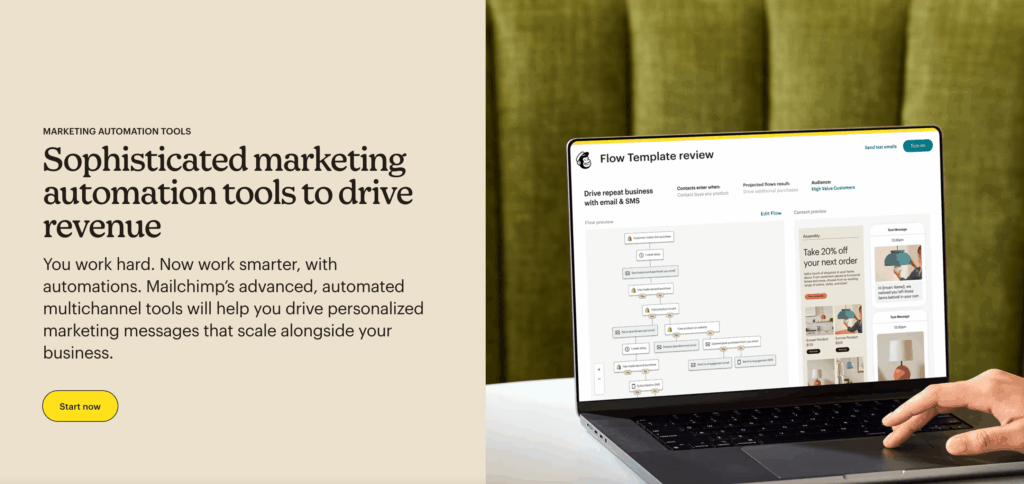
The integration of automated tools is the primary reason companies are looking for dedicated servers. Lots of contemporary automation suites need substantial memory and storage to work correctly. These tools manage repeated tasks such as data cleansing, lead scoring, and automated reporting. When these jobs are managed by a server instead of a human, the agency minimizes its dependence on entry-level administrative staff. This shift permits the firm to focus its budget on employing top-level strategists instead of data entry clerks.
Ongoing success in digital services needs a stable environment where software application updates do not break current workflows. Committed servers permit companies to create "sandbox" environments where they can test brand-new automation scripts before deploying them. This prevents the unintentional corruption of client information and minimizes the time invested in troubleshooting. Because the agency manages the update cycle, they are never required into a software application upgrade that might be incompatible with their other tools.
Information Privacy and Customer Trust in the Local Area
Personal privacy policies have actually become significantly strict by 2026. Clients are more familiar with where their information is stored and who has access to it. Using a devoted server infrastructure offers a clear response to these concerns. It enables a firm to tell its customers that their information is not sitting on a shared drive with hundreds of other companies. This isolation is a substantial competitive advantage when bidding for contracts in delicate markets such as finance, healthcare, or legal services.
Dedicated servers also permit the application of custom-made file encryption standards. Agencies can handle their own security keys and firewall program setups, providing a level of defense that generic hosting companies can not match. In the occasion of a security audit, having a devoted and well-documented server environment makes the compliance process much faster and less costly. This proactive method to security minimizes the long-lasting danger of pricey information breaches and the associated legal fees.
Scalability and the Future of Company Operations
As a company grows, its technical requirements end up being more complicated. A devoted infrastructure is inherently modular. If more storage is needed for asset management, a new drive can be included. If more processing power is required for data analysis, the CPU can be upgraded. This is far more efficient than moving a whole firm's worth of information from one "tier" of a cloud company to another, a process that often leads to information loss and extended downtime.
The move towards dedicated infrastructure represents a maturation of the digital marketing industry. It is a shift from being a consumer of generic tools to being a company of specialized, high-performance services. By buying the underlying hardware, firms in the surrounding area are securing their place in a market that rewards performance and technical efficiency. The reduction in overhead is not almost conserving cash on month-to-month costs; it has to do with building a structure that enables sustainable development. Firms that take control of their server environments today are much better prepared for the technical needs of 2027 and beyond, guaranteeing they stay lucrative in an increasingly competitive field.
Modern companies find that the initial effort of establishing a devoted server spends for itself within the first year. The mix of faster efficiency, lower software expenses, and improved security produces an environment where imaginative groups can concentrate on their work without being slowed down by their tools. In 2026, technical self-reliance is no longer a luxury for the biggest firms; it is a basic requirement for any firm that wishes to stay appropriate and successful.