How to Safeguard Your Rankings Throughout Significant Algorithm Moves

Refining Operational Efficiency for Agency Teams in 2026
The cost of human capital reached a ceiling in 2026, requiring a shift in how marketing firms structure their everyday operations. Companies that when relied on large groups of junior coordinators to deal with manual jobs have transitioned into leaner, more effective entities. This change is not about changing people but about reallocating their time toward high-level strategy and innovative analytical. By integrating rational triggers into every stage of the client lifecycle, firms are finding ways to scale without a direct increase in payroll expenses.In many urban business hubs, the relocation towards automation is no longer optional. The speed at which markets move needs instant responses that manual work can not offer. When a lead gets in a system, the modern company uses logic-based routing to certify that lead, assign it to the appropriate department, and start a personalized outreach series before a human even opens their inbox. This level of responsiveness has actually ended up being the minimum basic for remaining competitive in a crowded market.Strategic combination begins with the identification of repeated bottlenecks. For numerous, these bottlenecks take place throughout the transition from sales to satisfaction. In 2026, using API-first architectures enables the automatic development of project boards, Slack channels, and shared drives the minute an agreement is signed. This removes the administrative lag that generally pestered the first week of a client relationship.
The Role of Intelligence Reasoning in Competitive Markets
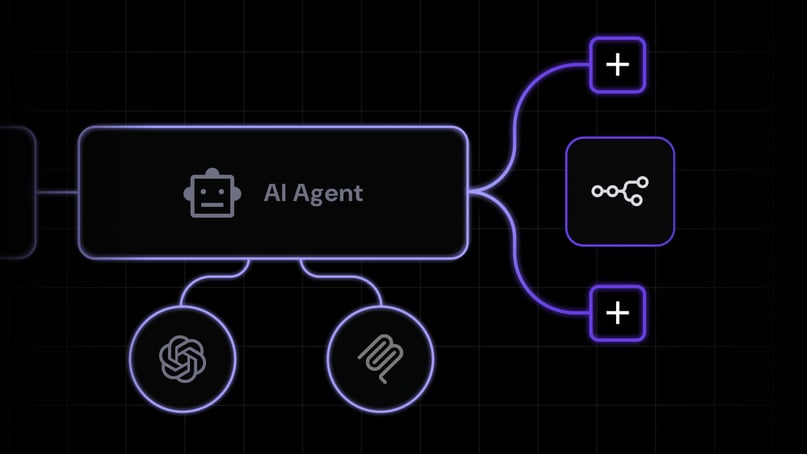
The present year has seen a massive financial investment in what experts call agentic workflows. Unlike the simple automation of the past, which followed basic if-then rules, these systems can now make low-level choices based upon real-time data. For example, if an ad campaign in the local market sees an unexpected drop in performance due to a competitor's aggressive bidding, the system can automatically adjust budget plans or switch out creative assets based on pre-approved criteria. Management teams are significantly turning to specialized software application to deal with these intricacies. Experts who have a deep understanding of digital services find themselves at an unique benefit due to the fact that they can design the reasoning that governs these automated systems. The goal is to create a self-healing functional environment where small issues are dealt with by software, leaving only the most complicated challenges for human intervention.Success in this location requires a departure from the "set and forget" mindset. Automation in 2026 is an iterative process. It requires consistent monitoring and change to ensure the reasoning remains lined up with client objectives. Agencies that treat their automation stack as a living part of their company instead of a static tool are the ones seeing the highest returns on financial investment. This approach allows them to deal with three to four times the customer volume per account supervisor compared to old-school designs.
Scaling Production Without Increasing Overhead
Imaginative production has traditionally been the hardest part of a company to scale. It is labor-intensive and extremely subjective. 2026 has actually brought about tools that permit for the mass versioning of innovative properties without losing the brand's voice. Top-level designers now spend their time developing "master templates" and style guides that automated systems utilize to generate numerous variations for various platforms, sizes, and audiences.This shift has actually altered the task description of the innovative director. Instead of reviewing each and every single social networks post, they now review the logic and the datasets that notify the automated generation. This ensures quality assurance at scale. In growing business districts, this ability allows small firms to pitch for large-scale nationwide accounts that were previously the exclusive domain of huge holding companies.Furthermore, professional digital marketing services has ended up being a staple for companies wanting to supply high-end reporting without the manual work of information aggregation. By pulling from dozens of sources at the same time, these systems can manufacture intricate information into clear, actionable insights for clients. This transparency builds trust and minimizes the frequency of "status upgrade" meetings, which are often a drain on productivity.
Data-Driven Insights and Automated Reporting Structures
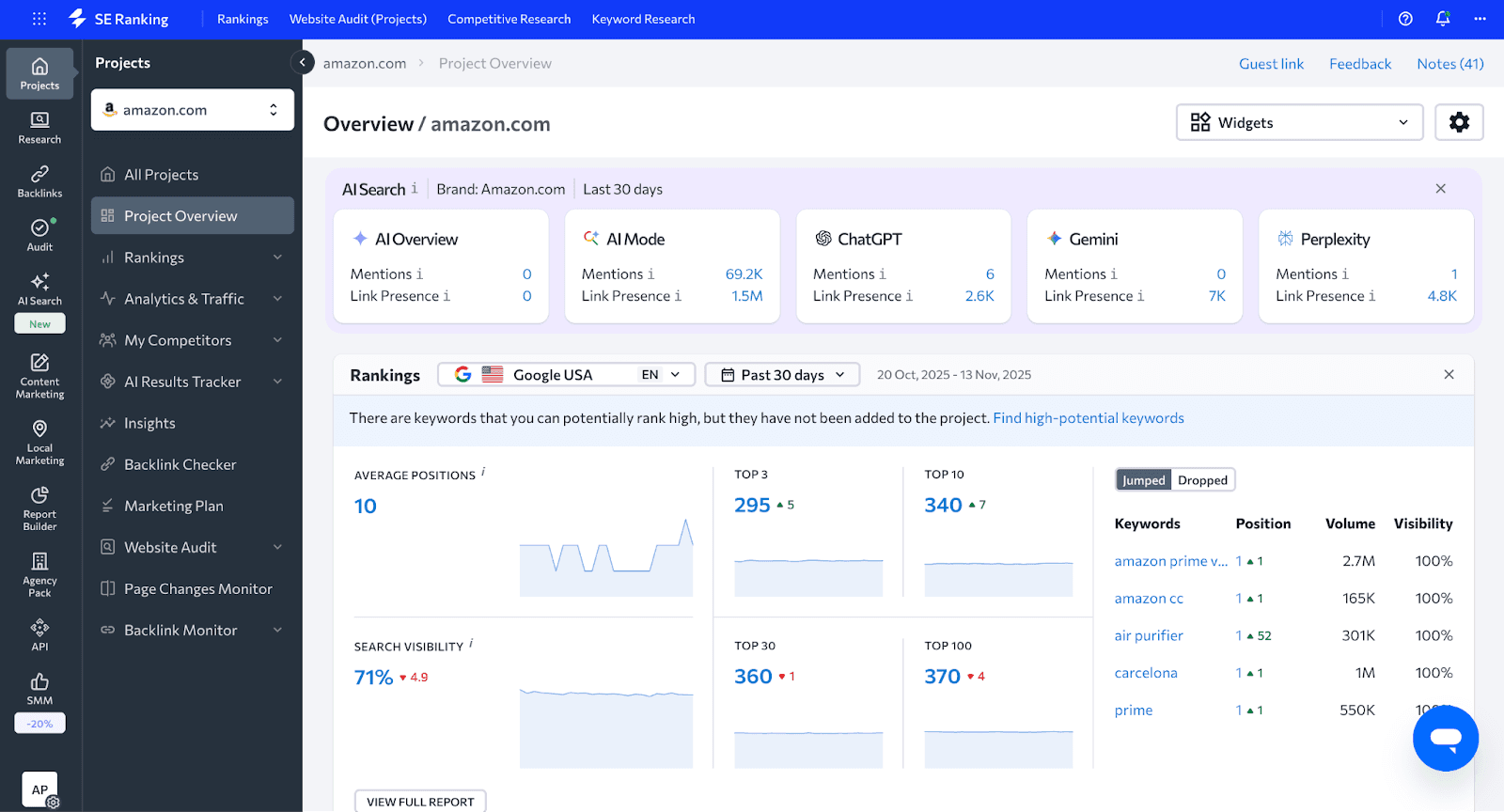
Customer expectations for transparency have actually never ever been greater. In 2026, offering a regular monthly PDF report is thought about old-fashioned. Customers now anticipate live dashboards that reveal exactly where their budget plan is going and what the return is at any given minute. Structure these dashboards by hand for every single customer would be impossible for a scaling firm, which is why automated data pipelines are essential.These pipelines do more than just show numbers; they interpret them. Natural language generation tools can now compose the initial draft of a performance summary, highlighting wins and identifying areas for improvement. The account supervisor then examines and modifies this draft, including the human context that a device may miss out on. This cooperation between human intuition and maker speed is the hallmark of an effective 2026 agency.The financial advantages of this technique are clear. When reporting and data analysis are automated, the company can offer more competitive pricing while preserving higher margins. It likewise decreases the risk of human error in data entry, which can cause costly errors in spending plan management or strategic direction. Accuracy in reporting is a significant consider client retention in any major market.
Future-Proofing Firm Profitability

As we look towards the later half of 2026, the distinction between "marketing firm" and "technology business" continues to blur. The most successful firms are those that own their own proprietary workflows and automation reasoning. This copyright ends up being a value-add for customers, making it harder for them to switch to a rival who might have a various, less efficient process.The focus on efficiency likewise improves the internal culture of the agency. When employees are no longer bogged down by soul-crushing manual jobs, task complete satisfaction tends to increase. This leads to lower turnover rates and more steady customer relationships. In an industry known for burnout, the tactical use of automation is proving to be a main chauffeur of long-term sustainability.Agencies should remain agile, as the tools available are continuously progressing. What works in early 2026 might be replaced by a more efficient solution by the end of the year. The key is to preserve a culture of experimentation. By constantly evaluating brand-new integrations and refined reasoning, an agency can ensure it stays the most effective option for its customers, despite how the marketplace shifts. The focus remains on results, and in 2026, outcomes are powered by the clever application of automated systems.