Future-Proofing Your Digital Method Against Rapid Algorithm Moves
Predictive Automation in 2026 Search Methods
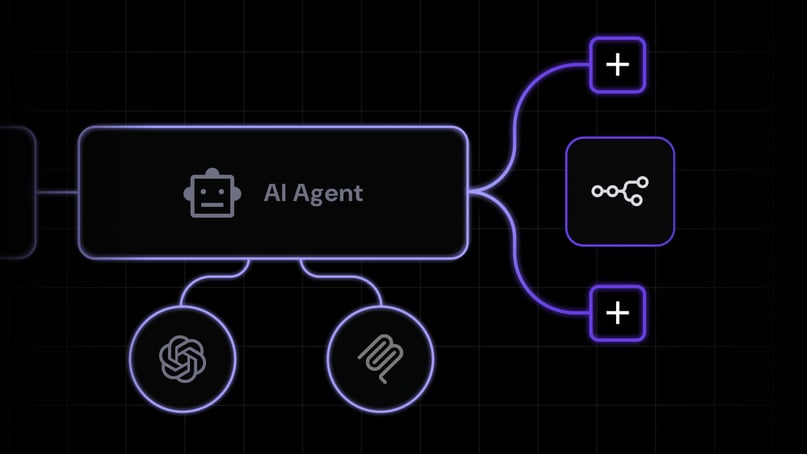
The search marketing environment in 2026 has actually moved far beyond easy keyword matching and manual bidding. Full-service companies now run in a space where predictive AI representatives manage the bulk of minute-by-minute modifications. This change permits human strategists to concentrate on mental triggers and high-level brand placing instead of changing cost-per-click limits. For companies in the local market, the combination of these automated systems is no longer a high-end but a requirement for keeping presence in a crowded digital space.
Search engines in 2026 have actually shifted toward a model based on user intent and predicted behavior. Instead of reacting to a search inquiry after it takes place, modern-day systems evaluate historic patterns and real-time ecological data to anticipate what a user might require next. Marketing firms are utilizing these insights to deploy material that appears precisely when the user reaches a specific stage of the purchasing process. This level of accuracy requires a deep connection in between a firm's proprietary tools and the main search platforms.

Automation in 2026 is specified by its ability to synthesize data from multiple sources. It is not almost search volume anymore. Agencies are linking search information with inventory levels, local weather condition patterns, and even social belief. When a specific product starts trending or ends up being limited, automatic scripts adjust the advertisement invest across regional territories instantly. This produces an extremely responsive marketing presence that mirrors the actual physical reality of business.
The Development of Firm Workflows in Major Hubs
Standard firm roles have actually seen a substantial shift this year. The manual job of reporting has been replaced by live control panels that utilize natural language generation to describe efficiency metrics to stakeholders. This allows account supervisors to spend their time translating the "why" behind the information rather of the "what." Numerous agencies now prioritize digital services to preserve an one-upmanship. By handing over the heavy lifting of data processing to maker learning designs, these companies can offer more imaginative and strategic depth to their customers.
Full-service agencies are likewise utilizing automation to solve the problem of creative tiredness. In 2026, vibrant innovative optimization (DCO) has reached a point of near-perfection. A single campaign can generate thousands of variations of ad copy and visual properties, each tailored to the particular demographics and interests of the person seeing it. These systems test versions in real-time, disposing of underperforming assets and scaling the winners within minutes. This rapid model guarantees that marketing spending plans are never lost on messaging that fails to resonate with the audience in the target area.
Incorporating Cross-Channel Data for Better SEM
Among the biggest patterns in 2026 is the overall merging of search and social data. Automated tools now enable companies to see how a look for a specific product on a desktop associates with a social networks interaction on a mobile phone later that day. This unified view helps in developing more accurate attribution designs. Instead of offering all the credit to the last click, agencies utilize algorithmic attribution to understand every touchpoint in the consumer path.
The dependence on first-party data has actually become the requirement in 2026. With the decrease of third-party tracking, companies have developed internal systems to record and evaluate the data consumers share directly with brands. Automation helps tidy and section this data, making it prepared for use in highly individualized search campaigns. Carrying out digital services permits groups to focus on high-level innovative direction rather than manual spreadsheet entry. This makes sure that every ad served pertains to the private user's past interactions and existing needs.
Automated Content Refinement and User Experience
Material creation in 2026 is a collective effort in between human authors and AI editors. While makers can generate technical descriptions and basic updates, humans supply the emotional hook and brand voice that develops trust. Automated tools are utilized mostly for improvement-- inspecting for SEO compliance, tone consistency, and factual accuracy. In any given region, this hybrid technique has caused higher quality search results and lower bounce rates for landing pages.
User experience has likewise end up being an automatic component of online search engine marketing. Tools now perform continuous A/B testing on landing page layouts without manual intervention. These systems can change the color of a button, the positioning of a form, or the length of a video based upon what is presently converting best for a specific sector of traffic. This level of optimization takes place at a scale that was difficult simply a few years ago. The goal is to create a frictionless path from the search results page to the last deal.
The Increase of Voice and Visual Search Automation
Voice search has developed significantly by 2026. It is no longer just for simple concerns about the weather condition or instructions. Users are carrying out complex transactions through voice-activated assistants. Agencies have reacted by utilizing automatic schema generators that mark up website material particularly for these conversational questions. This guarantees that when a user requests local assistance, the brand's information exists clearly and accurately by the AI assistant.
Visual search has actually seen a similar rise in value. Clients often take photos of products they see in the real life and search for them right away. Marketing agencies are utilizing automated image recognition tools to tag every visual asset on a client's website. This makes those images discoverable in visual search engines, creating a new entry point for possible consumers. For a company in any metropolitan area, showing up in visual search results page can drive considerable foot traffic and online sales.
Strategic Bidding and Market Belief
Bidding strategies in 2026 have moved far from fixed targets. They now include market sentiment analysis. Automated tools scan news feeds, monetary reports, and social discussions to assess the general state of mind of the customer. If belief in the local market turns negative due to financial elements, the bidding algorithms might immediately shift focus to value-based messaging or more necessary services. This versatility permits brands to stay sensitive to their audience's circumstance without requiring a human to by hand stop briefly or modify every campaign.
This level of automation likewise secures brands from abrupt market volatility. If a competitor releases a major sale or a brand-new product, automated tracking tools discover the modification in the search landscape and suggest counter-moves to the agency group. In some cases, the system can even be authorized to carry out pre-approved protective strategies. This quick response time is crucial for maintaining market share in high-competition industries where every minute of delay can lead to lost profits.
Maintaining the Human Element in an Automated World
Despite the occurrence of automation in 2026, the role of the human strategist has never ever been more vital. Devices are excellent at processing information and carrying out recurring tasks, however they lack the capability to understand nuanced cultural shifts or long-term brand name goals. Full-service firms act as the bridge between the innovation and business owner. They make sure that the automated tools are lined up with the general vision and values of the company.
The finest lead to 2026 originated from agencies that view automation as a collaborator instead of a replacement. By utilizing devices to deal with the technical intricacies of search engine marketing, human specialists can spend more time speaking to customers, comprehending their special challenges, and developing imaginative projects that stand out. The focus has moved from "how do we rank?" to "how do we connect?". In a world of automated reactions and machine-generated content, the brand names that can predict an authentic human personality will be the ones that succeed in the long run.
Taking a look at the remainder of 2026, the pattern of combination will just continue to deepen. Agencies will discover brand-new methods to link disparate information points and use automation to create a lot more personalized and efficient marketing campaigns. For businesses aiming to grow, the key will be discovering a partner that comprehends how to manage these effective tools while keeping the human experience at the center of every strategy.