Decreasing Functional Friction with Unified Marketing Facilities
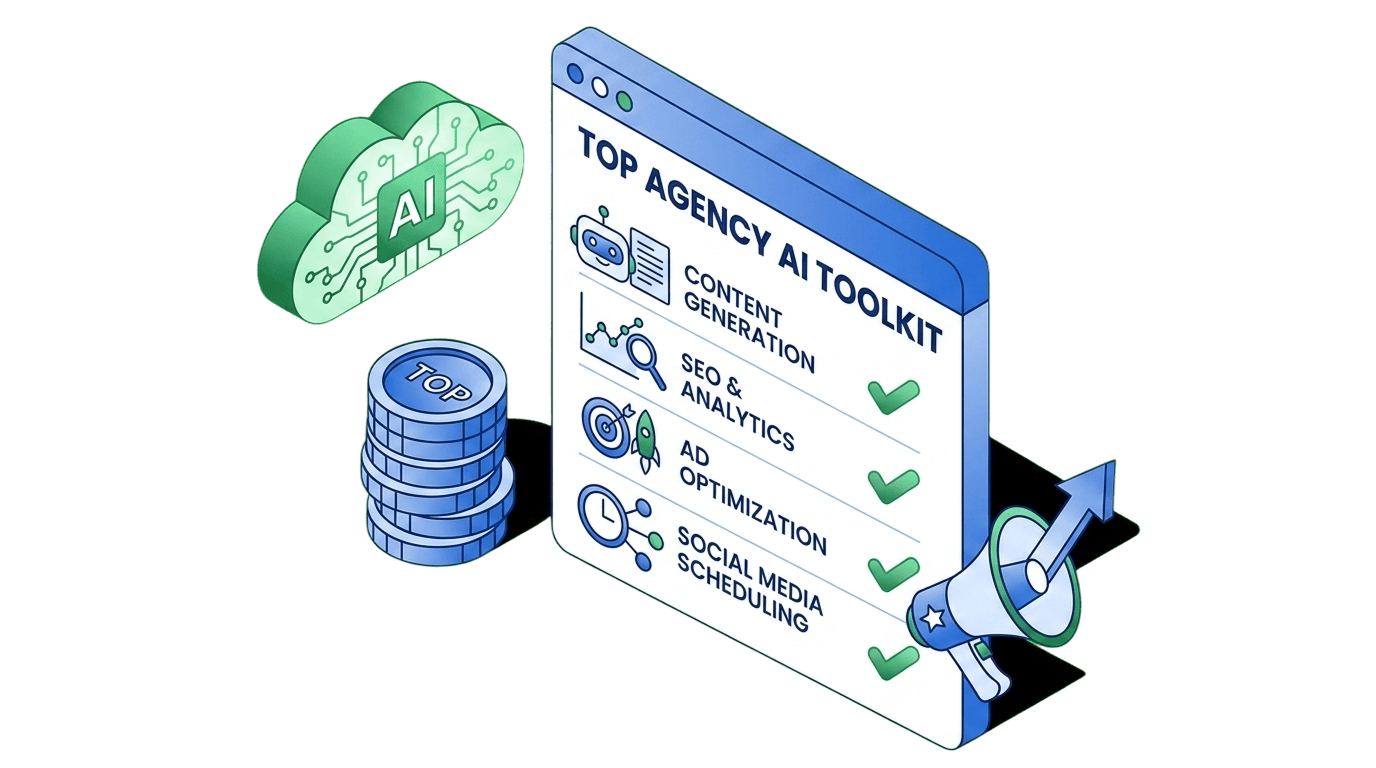
Managing Details Accuracy in 2026 Digital Marketing
The digital marketing sector in 2026 operates at a speed that makes manual information entry an antique of the past. Full-service firms in major metropolitan areas have actually moved toward totally automated systems to equal the enormous influx of online search engine signals and consumer habits metrics. While these automated workflows supply speed, they introduce a substantial difficulty concerning the truthfulness of the information being provided to customers. Without a concentrated technique to information integrity, the reports that services count on can end up being deceptive, leading to poor budget allotment and stalled development.
Automation in 2026 is no longer about simple job repetition. It involves complex API combinations that pull from search consoles, social platforms, and internal CRM systems. When these systems fail to sync or when data formats change without notice, the resulting reports can show phantom spikes or dips. Experts who prioritize digital services understand that the worth of an automatic report lies not in its generation, but in its confirmation. High-performing companies now deal with data health as a foundational requirement instead of a secondary job.
Information Confirmation Strategies for Digital Growth
Establishing a trusted reporting loop requires more than just connecting software application. It requires a procedure for cross-referencing info across multiple sources. For instance, if an automatic tool reveals a 20 percent boost in organic traffic, a secondary check versus server logs or conversion information must validate that movement. This layer of human oversight prevents the "black box" effect, where companies and clients alike follow numbers they do not completely comprehend. In the current 2026 environment, customers are significantly smart and need to know the source and dependability of every metric shown in their monthly briefings.
Strategic integration of these tools involves establishing automated notifies for information abnormalities. If a specific metric falls outside of expected specifications, the system flags it for manual review before the customer ever sees the dashboard. This proactive stance on information integrity builds trust. When a marketing partner can discuss a data discrepancy before the client asks about it, the relationship moves from an easy vendor-client vibrant to a strategic collaboration. Dependability in digital services has ended up being a main differentiator for companies wanting to keep long-term agreements in a competitive market.
The Evolution of Client Reporting in the local market
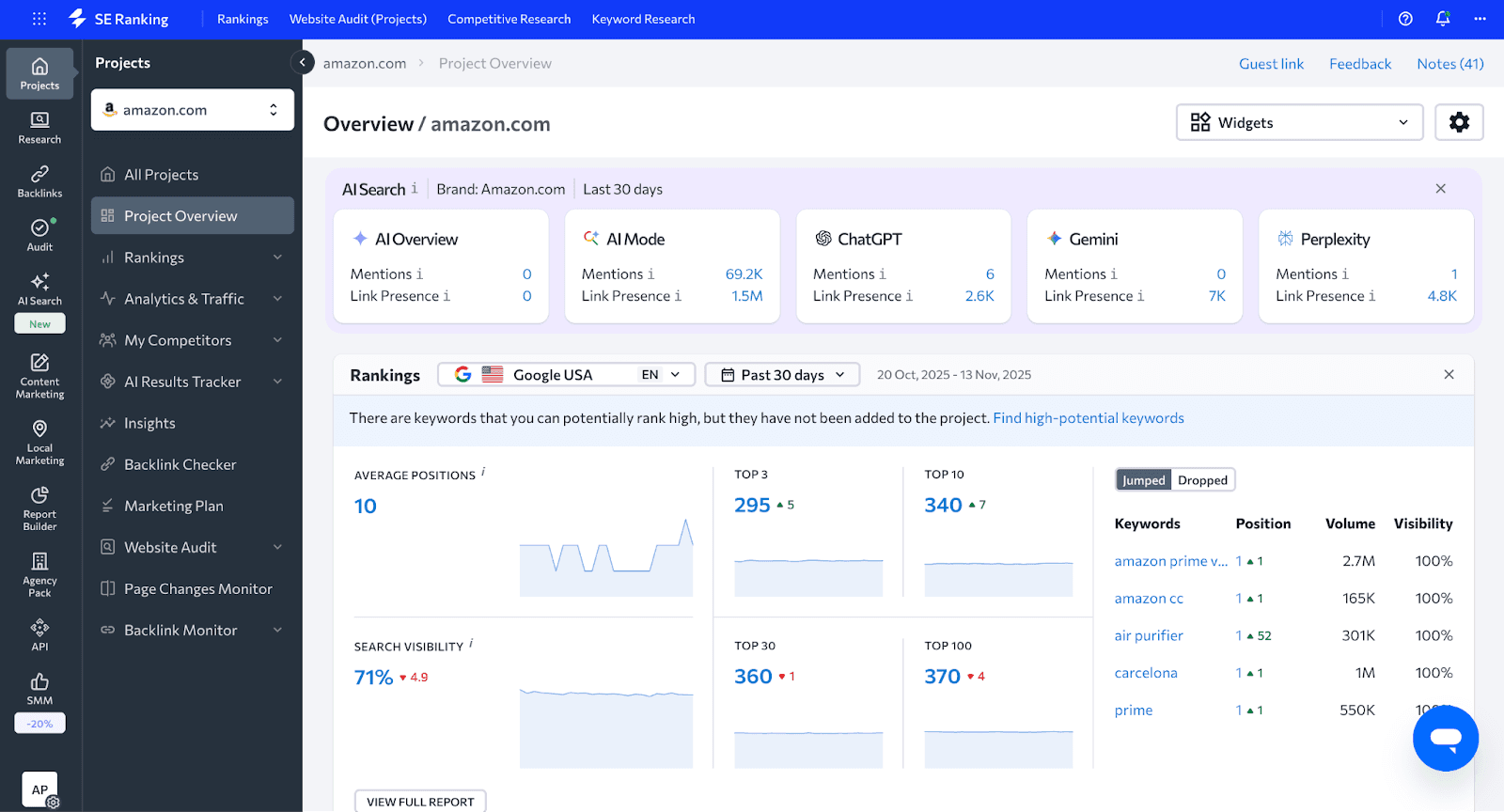
Reporting has transitioned from static regular monthly documents to interactive, real-time portals. In 2026, customers anticipate to log in and see their current standing anytime. This shift puts much more pressure on the integrity of the underlying data. An error in a static PDF might be remedied in the next variation, however a mistake in a live dashboard is noticeable instantly. Agencies need to guarantee that their data pipelines are durable and that any maintenance or downtime is communicated plainly to the stakeholders.
Modern reporting focuses on business results rather than vanity metrics. While keyword rankings and click-through rates stay appropriate, the emphasis in 2026 has actually shifted toward customer lifetime worth and expense per acquisition. Automated workflows that tie SEO efficiency directly to earnings are the gold standard. Accomplishing this needs a deep combination in between marketing tools and the client's own monetary reporting software. Such a connection should be handled with severe care to keep privacy and security while ensuring the numbers compare on both ends of the spectrum.
Keeping the Human Element in Automated Workflows
Despite the frequency of AI and automated scripts, the interpretation of information remains a human task. A machine can report that a bounce rate has actually increased, but it can not constantly explain that the boost accompanied a significant cultural occasion or a regional news cycle in the surrounding area. Agencies that prosper in 2026 use automation to deal with the heavy lifting of data gathering so their strategists have more time to think about the "why" behind the numbers. This balance guarantees that the reporting is not simply accurate, but likewise actionable.
Internal audits are another critical component of a 2026 SEO workflow. Regular monthly or quarterly checks where a human auditor manually traces a data point from its source to the last report can discover methodical errors that automation may miss. These audits typically expose that a tracking tag has been lost or that a brand-new browser update is skewing how certain sessions are taped. Dealing with these concerns early prevents the compounding of mistakes with time, which might otherwise cause a total loss of confidence in the agency's reporting capabilities.
Future Instructions for Information Integrity in 2026
The innovation utilized for online marketing will continue to develop, with blockchain-style confirmation of information sources ending up being more typical. This would permit an immutable record of where information come from, supplying an even higher level of certainty for both the company and the client. Up until such technology is standard, the problem remains on the company to prove that their automated workflows are as accurate as they are quickly. Openness about the tools being used and the methods used to confirm their output is the best policy for any firm intending for a management position in the industry.
The goal is to develop a reporting environment where the data is so reputable that it is no longer a point of debate. When the integrity of the information is a given, conferences can focus on tactical pivots and imaginative chances. In the local business sector, the most highly regarded companies are those that admit when a tool has actually stopped working and show exactly how they caught and fixed the error. This sincerity, combined with innovative automation, defines the finest practices of 2026. Agencies that stop working to prioritize these checks will likely find themselves replaced by those who see data integrity as a non-negotiable part of their service shipment.